Kottayam Kerala

Temples

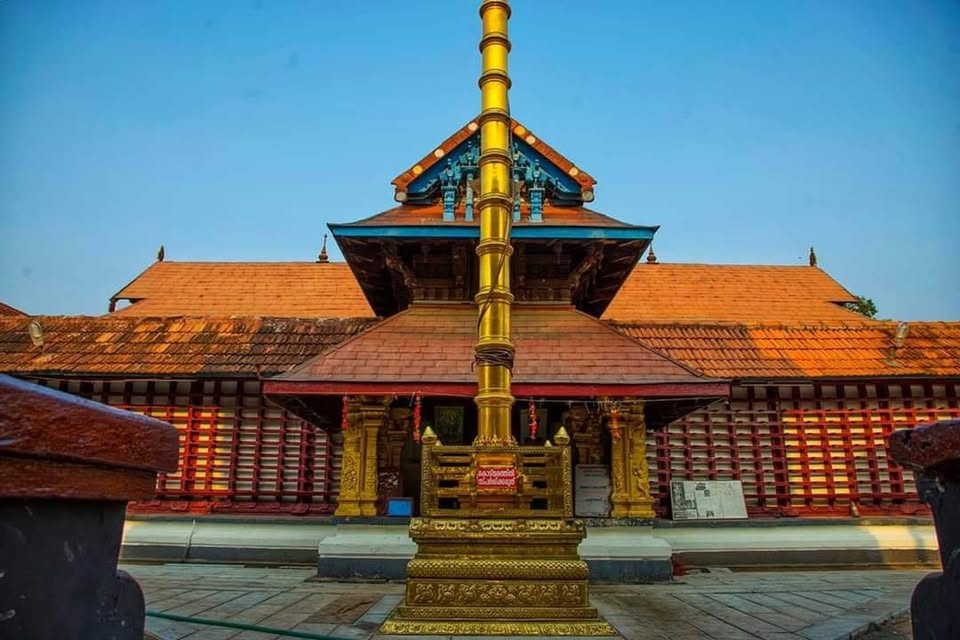
Thirunakkara Sree Mahadevar Temple: The Sacred Heart of Kottayam City

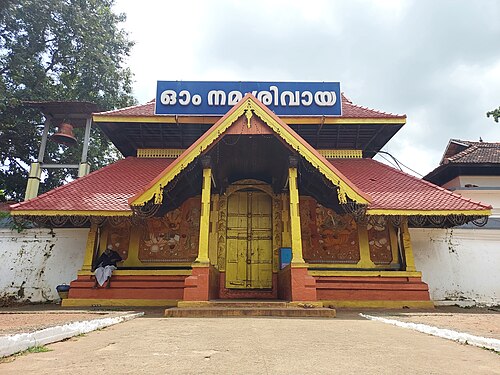
Kottayam —Standing majestically at the very centre of Kottayam town, the Thirunakkara Sree Mahadevar Temple continues to be a powerful symbol of faith, culture, and heritage. Dedicated to Lord Shiva, the temple is not only a major spiritual centre but also a cultural landmark that defines the identity of Kottayam city. Believed to have been consecrated in AD 108, the temple has a long and rich history closely linked to the rulers of Thekkumkoor Kingdom, who patronised and protected it for centuries. Even today, the temple remains an integral part of daily life in the town, with devotees beginning and ending their day with prayers at Thirunakkara. Architectural Splendour and Artistic Legacy The temple is a fine example of traditional Kerala temple architecture, featuring a beautifully crafted sreekovil, expansive nalambalam, and a towering gold-plated dwajasthambam (flagstaff). The temple’s most striking feature is its vibrant mural paintings, which depict scenes from the Shiva Purana, Ramayana, and other sacred texts. These murals, painted using natural pigments, are considered priceless treasures of Kerala’s classical art tradition and attract historians, artists, and cultural enthusiasts alongside devotees. Daily Rituals and Spiritual Significance Lord Shiva is worshipped here as Mahadevar, with rituals performed strictly according to ancient Tantric and Vedic practices. Daily poojas such as Usha Pooja, Ucha Pooja, Deeparadhana, and Athazha Pooja are conducted with great devotion. Devotees believe that sincere prayers offered at Thirunakkara bring mental peace, prosperity, and relief from obstacles, making the temple a place of solace amid the bustle of city life. Thirunakkara Arattu Festival The temple comes alive during the grand annual Thirunakkara Arattu Festival, held in the Malayalam month of Meenam. Spanning ten days, the festival is one of the most celebrated cultural events in Kottayam. The highlight is the Arattu procession, featuring richly caparisoned elephants, traditional percussion ensembles like Panchavadyam and Chenda Melam, and colourful fireworks. Thousands of devotees and spectators gather to witness the spectacle, transforming the city into a vibrant cultural arena. Centre of Culture and Community Beyond worship, Thirunakkara Sree Mahadevar Temple serves as a hub for classical arts, temple festivals, and community gatherings. During festival seasons, the temple grounds host Kathakali performances, devotional music, and traditional art forms, helping preserve Kerala’s cultural heritage. The temple’s central location has also made it a focal point for social and cultural interactions in Kottayam for generations. Spiritual Tourism and Urban Identity As one of Kottayam’s most visited temples, Thirunakkara plays a vital role in promoting spiritual tourism. Visitors often combine temple visits with nearby heritage spots, markets, and cultural centres, boosting local commerce and tourism. Temple authorities continue to ensure the smooth conduct of rituals while adapting to modern requirements such as crowd management and visitor facilities. A Living Landmark More than a place of worship, Thirunakkara Sree Mahadevar Temple stands as the spiritual heart of Kottayam — a timeless space where devotion, art, and history come together. As the city evolves, the temple remains a constant presence, offering faith, tradition, and cultural continuity to generations of devotees.  

Thirunakkara Sree Mahadevar Temple: The Sacred Heart of Kottayam City Read More »
Vaikom Mahadeva Temple: The Timeless Shaivite Beacon of Kottayam

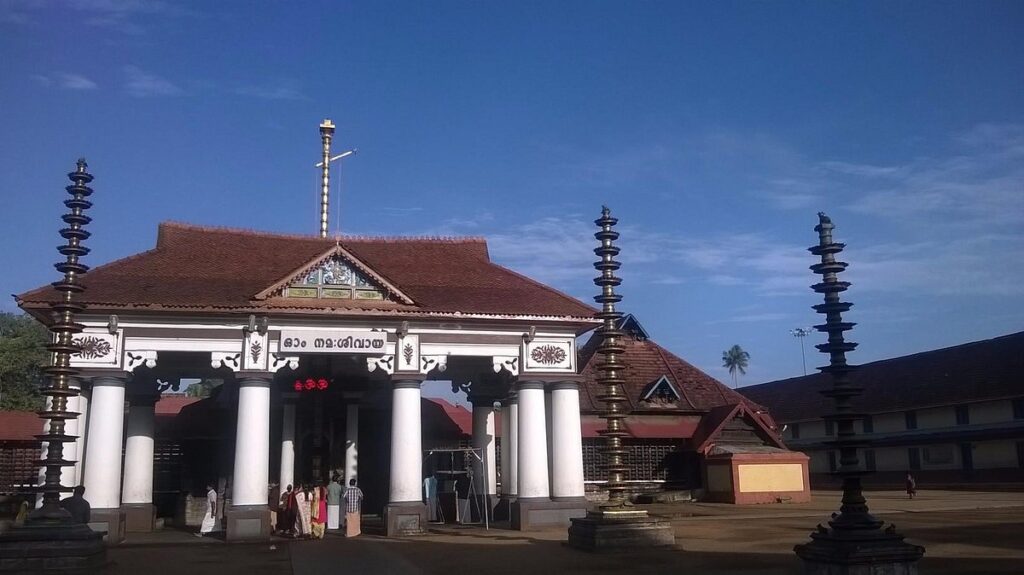
Vaikom, Kottayam —The revered Vaikom Mahadeva Temple, one of the oldest and most sacred Shaivite temples in India, continues to stand as a powerful symbol of faith, history, and social reform in Kerala. Located in the temple town of Vaikom in Kottayam district, the shrine attracts lakhs of devotees every year, reaffirming its significance in both spiritual and cultural landscapes. Dedicated to Lord Shiva, worshipped here as Vaikkathappan, the temple is believed to have been established during the Treta Yuga, making it one of the few temples mentioned alongside Ettumanoor and Kaduthuruthy as part of the ancient “three powerful Shiva temples of central Kerala.” Devotees believe that worshipping at all three temples on the same day brings special blessings. Ancient Origins and Spiritual Legacy According to legend, Parasurama, the mythical founder of Kerala, consecrated the Shiva Lingam at Vaikom. The temple follows strict Vedic and Tantric rituals, many of which have remained unchanged for centuries. The sanctum houses a swayambhoo (self-manifested) Shiva Lingam, revered for its divine power and grace. The temple opens early in the morning and remains active with rituals throughout the day, including Abhishekam, Usha Pooja, Ucha Pooja, Deeparadhana, and Athazha Pooja, drawing devotees from different walks of life. Historic Vaikom Satyagraha Connection Beyond religion, Vaikom Mahadeva Temple holds a special place in India’s social reform history. The famous Vaikom Satyagraha (1924–25), a landmark movement against caste-based discrimination, was centred around the temple roads. Leaders such as Mahatma Gandhi, T.K. Madhavan, K. Kelappan, and Periyar E.V. Ramasamy played key roles in the agitation, which eventually led to the opening of temple roads to all communities. This movement laid the foundation for the historic Temple Entry Proclamation of 1936, making Vaikom a symbol of equality and justice. Architectural Grandeur Built in the traditional Kerala temple architectural style, the Vaikom Mahadeva Temple features a majestic sreekovil, spacious nalambalam, intricately carved wooden structures, and a tall gold-plated flagstaff (dwajasthambam). The temple tank, known as Theerthakulam, adds to the spiritual ambiance. The temple complex resonates with classical percussion ensembles like Chenda Melam and Panchavadyam, especially during festivals, creating an atmosphere steeped in devotion and tradition. Vaikathashtami Festival The grand annual festival, Vaikathashtami, is the most significant event at the temple. Celebrated during the Malayalam month of Vrischikam, the festival marks the mythical consecration day of Lord Shiva at Vaikom. The highlight is the Ashtami Ezhunnallathu procession, where the deity is taken out in a majestic ceremonial procession accompanied by decorated elephants, traditional music, and thousands of devotees. The festival transforms the temple town into a vibrant hub of spirituality and culture. Spiritual Tourism and Community Impact Vaikom Mahadeva Temple plays a crucial role in promoting spiritual tourism in Kottayam district, benefiting local businesses, artisans, and cultural performers. Pilgrims often combine visits to nearby temples and heritage sites, strengthening Vaikom’s reputation as a major religious destination. Temple authorities continue to balance tradition with modern management, ensuring smooth darshan facilities, crowd control, and preservation of rituals. A Living Heritage More than a place of worship, Vaikom Mahadeva Temple stands as a living testament to Kerala’s spiritual depth, artistic excellence, and progressive social history. As devotees continue to throng the temple seeking peace and blessings, Vaikom remains a sacred space where faith, history, and humanity converge.

Vaikom Mahadeva Temple: The Timeless Shaivite Beacon of Kottayam Read More »

Ettumanoor Mahadeva Temple: A Living Symbol of Kerala’s Shaivite Heritage

Ettumanoor, Kottayam —The historic Ettumanoor Mahadeva Temple, one of Kerala’s most revered Shaivite shrines, continues to draw thousands of devotees every day, reaffirming its place as a spiritual and cultural landmark of Kottayam district. Dedicated to Lord Shiva, the temple is renowned for its ancient traditions, unique rituals, and architectural brilliance. The sanctum houses a powerful Shiva Lingam, believed to be over a thousand years old, worshipped according to age-old Tantric practices. The temple is especially famous for its Pradosham poojas, Shivaratri celebrations, and the annual Ettumanoor Festival, which attracts devotees from across Kerala and beyond. The highlight of the festival is the Ezhunnallathu procession, accompanied by traditional percussion ensembles and caparisoned elephants.

Ettumanoor Mahadeva Temple: A Living Symbol of Kerala’s Shaivite Heritage Read More »

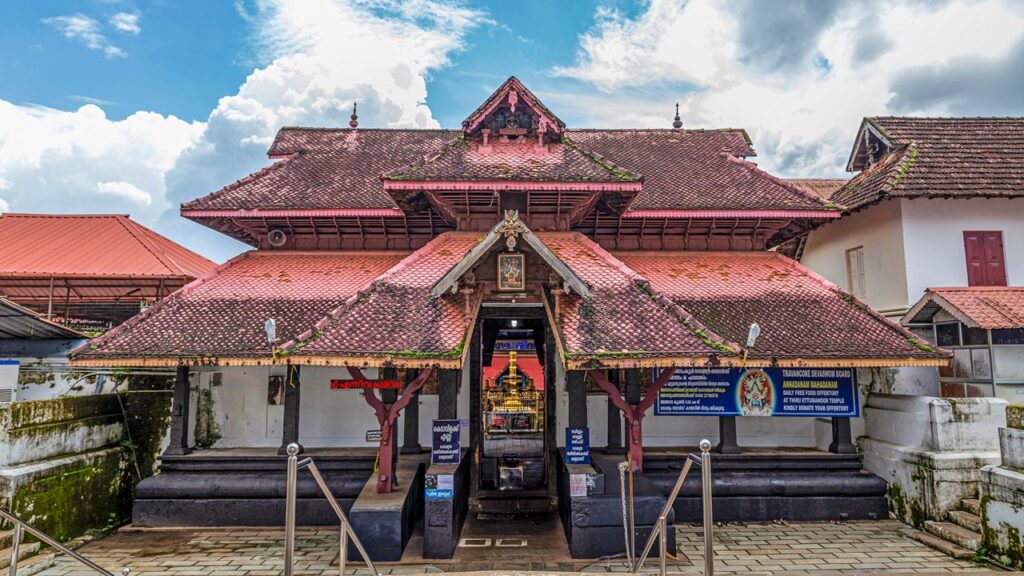
Thiruvarppu Sree Krishna Temple in Kottayam Opens Earliest in India, Welcomes Devotees at 2:30 AM

Thiruvarppu, Kottayam – In the quiet village of Thiruvarppu near Kottayam, a unique ritual unfolds every morning long before sunrise. The Sree Krishna Temple, dedicated to Lord Krishna, opens its doors as early as 2:30 AM — making it one of the earliest-opening temples in India. According to Hari Namboothiri, the temple’s chief priest, the day begins with the Palliyunarthal ritual at 2 AM, after which the sanctum is opened. This early schedule stems from the belief that Lord Krishna cannot tolerate hunger — a tradition that has endured through generations. Ancient Legends and Temple HistoryLocal folklore connects the temple’s origins with Padmapadar, a disciple of the Shankaracharya, who is believed to have found the idol of Krishna in a lake. Some traditions also hold that Draupadi worshipped the deity during the Pandavas’ exile, and that the legendary Akshaya Patra (the vessel of inexhaustible food) drifted along with the idol before it was enshrined here. The priest often carries an axe along with the key — not as a threat, but as a symbolic reminder that the deity’s food offering should never be delayed. Although used rarely, the axe signifies the commitment to open the temple on time every day. Unique Rituals and OfferingsThe temple’s ritual calendar is deeply tied to natural light and the sun’s position, rather than the clock. The Usha Payasam — a sweet offering prepared with rice, jaggery, banana, and ghee — is presented soon after opening and is considered highly auspicious. Devotees book this offering months in advance, with slots filled up to 2034. Thiruvarppu’s traditions also include performing the Pantheeradi Pooja at the moment sunlight touches an elephant figure behind the sanctum, and closing the temple precisely an hour and 12 minutes after sunset.

Thiruvarppu Sree Krishna Temple in Kottayam Opens Earliest in India, Welcomes Devotees at 2:30 AM Read More »

List
News
Home
Jobs
Contact